
Sees you in 3D
A scan builds a live model of your body on every single visit.
Inside Self
Self is an AI-powered recovery robot, therapist-quality bodywork, built around your body and sharper every session. The robot is the product. The infrastructure is the company.

The recovery gap
Personal recovery can't scale.Scalable recovery isn't personal.Self is the first to deliver both.
Why now
Recovery is the fastest-rising line in the wellness economy, becoming table stakes in premium fitness, not a perk.
The hardware to deliver recovery keeps getting more affordable and accessible, so it increasingly pays for itself on the floor.
The solution
A scan builds a live model of your body on every single visit.
It designs a recovery path around what it sees, never a fixed program.
Fully guided and autonomous. You just show up and check in.
Two decades of bodywork, in a CE-marked, human-safe cobot.
It's not a robot. It's a learning system.
Every session sharpens the next, a data advantage that compounds and can't be bought off a shelf.
Why we're called Self
Recovery this good always needed another person, booked, priced, on their schedule. Now it's yours alone: therapist-grade, private, fifteen minutes that answer to no one but you.
This is Self time.
A letter from Julian Jørgensen · Founder & CEO

I spent twenty years working on myself, books, courses, every method I could find. None of it touched the thing I was carrying. Then, at a leadership retreat, something opened through my body, not my mind. A depression I'd lived with for two decades lifted almost overnight, and never came back. I made a quiet promise that day: never to put my body last again.
I didn't choose this mission. My body did.
The care that changed me lived in skilled human hands, rare, expensive, and unavailable the moment you actually need it. I couldn't stop thinking about everyone it would never reach.
It has taken five years. I sold my house, my car, my motorbike, walked away from €17,000 a month to live on roughly a thousand, and moved across the world for pilot after pilot. I'd do every bit of it again tomorrow.
The breakthrough isn't really the robot. It's that this return no longer has to be rare or expensive.
Traction & economics
Clubs already fund recovery, red-light, cryo, reformer. Self enters the same budget and reaches the muscular depth none of them can.
Indicative monthly profit per m² vs. typical premium-club recovery assets. Directional, from pilot economics.
The team
It takes both sides of the problem, human bodywork and software systems.
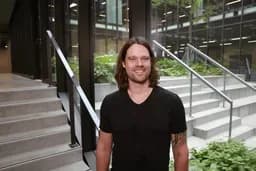
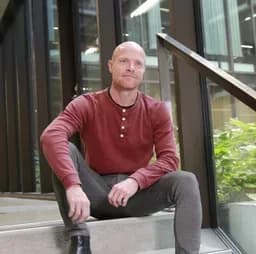
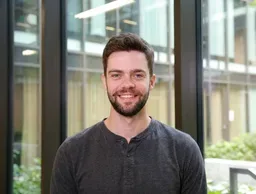
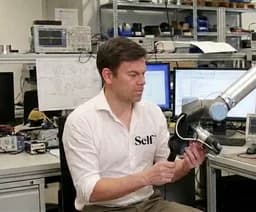
22 years of massage and bodywork meet 20 years of building digital products, backed by one of Europe's top robotics minds.
The vision
Every club will have recovery infrastructure, just as every club today has cardio.
The beachhead, live and paying in high-end clubs where recovery already sells.
Hotels, spas and offices. Same hardware, new channels.
As the cost curve falls, recovery infrastructure follows people home.
Not a robot company. The company defining recovery infrastructure.
